Successfully Added
The product is added to your quote.


The product is added to your quote.

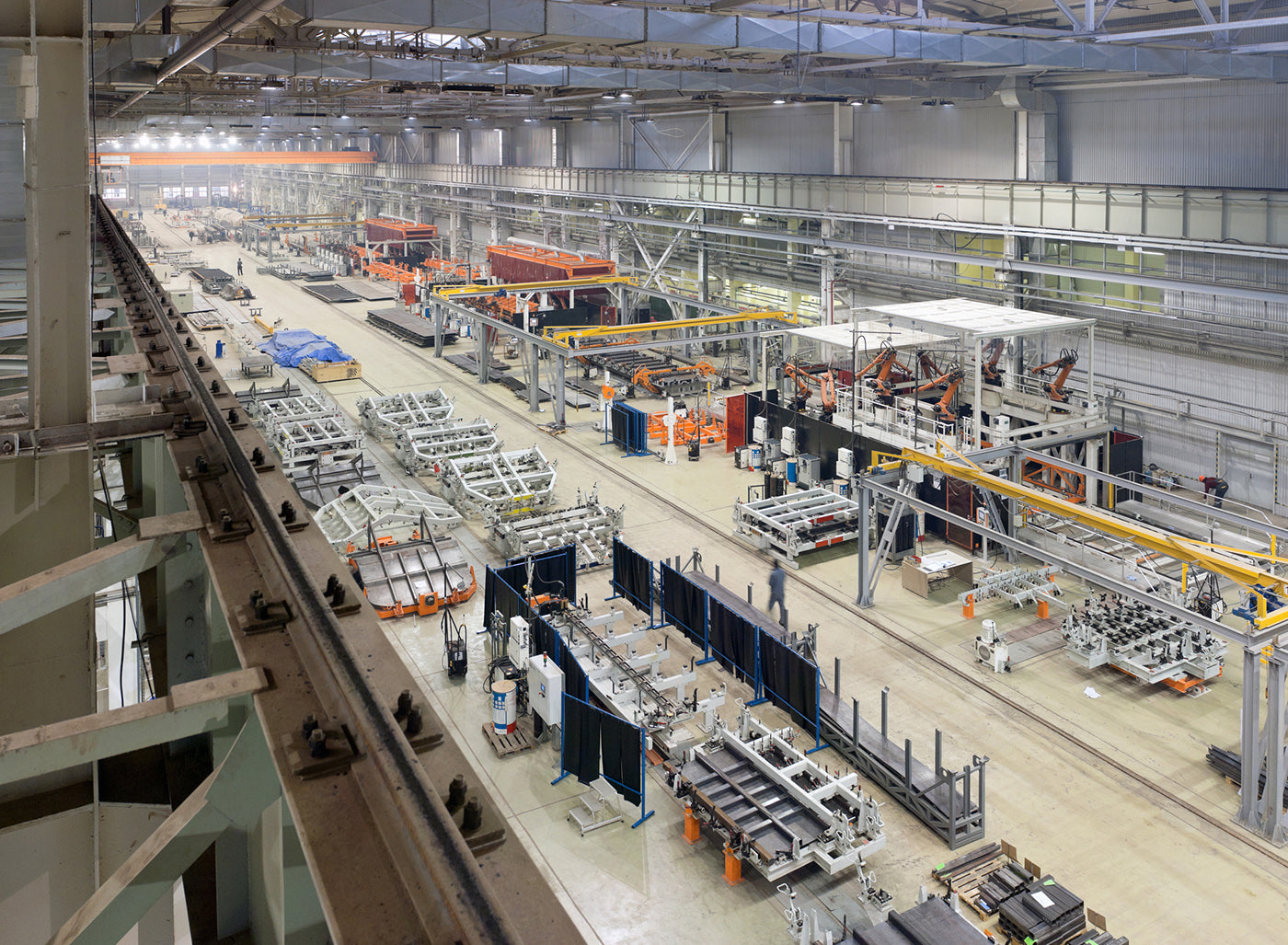
Reshoring isn’t a buzzword anymore—it’s a structural shift. Tariffs, fragile global supply chains, and new incentives are pushing U.S. manufacturers to bring work home. Automation makes that viable by lifting throughput, quality, and consistency. But there’s a catch: parts availability. When production ramps domestically, plants need PLCs, drives, servos, and HMIs on short notice. Partners who keep the right gear in stock make reshoring schedules stick; backorders don’t.
Reshoring compresses timelines. You might green-light a new cell, then discover a critical controller is 10–12 weeks out. That’s why availability isn’t a “nice to have”—it dictates whether commissioning dates hold and whether your cost model works.
1) Standardize where it counts. Pick one primary PLC platform per area (e.g., CompactLogix for machines, ControlLogix for plant backbone; or Siemens S7-1200 G2 for compact cells, S7-1500 for high-end). This reduces spares variety, training load, and troubleshooting time.
2) Stock by criticality, not alphabetically. A small number of A-class spares (the parts that stop production) often return more uptime than a large, unfocused storeroom. Typical A-class: CPUs, common VFD ratings, key I/O types, HMI panels.
3) Plan legacy-to-modern crossovers. Brownfield operations need both legacy spares and modern replacements. Keep a few legacy units to protect uptime, and define the drop-in modern replacement (brackets, wiring notes, parameter sets) so changeovers are predictable.
4) Buy for the network you run. EtherNet/IP plants tend to favor PowerFlex and Logix; PROFINET sites often lean Siemens. Matching drive/PLC/HMI ecosystems reduces commissioning hours and future troubleshooting.
For TIA Portal environments or European OEM equipment, these families deliver unified engineering and strong diagnostics. Keeping a few standard CPUs and drive power ratings on hand protects multi-OEM sites.
Reshoring often adds cells (pick-and-place, packaging, machining) where servo accuracy and uptime matter. Keeping a few servo amplifiers and feedback-compatible motors on hand can save commissioning days.
Step 1: Map critical assets. List the top 20 devices that would stop production if they failed (CPUs, key VFD ratings, panel HMIs). Align each with a stocked spare or a same-day source.
Step 2: Define drop-in replacements. For each legacy item, name the modern successor and note any wiring/bracket changes. Keep parameter files and HMI runtimes on removable media.
Step 3: Right-size the storeroom. Carry one spare for every 10–15 identical units in service (tune by your failure history). For unique, high-impact devices, keep at least one on hand.
Step 4: Set reorder triggers. When a spare leaves the shelf, automatically generate a replacement PO to ensure coverage never lapses.
With thousands of SKUs in stock and a U.S. warehouse, Industrial Automation Co. turns supply volatility into uptime. Start where you’ll feel the impact fastest:
Need a cross-reference for a specific part number, or same-day shipping confirmation? Send the PN to our team—we’ll match, quote, and confirm availability.
 2 Year Warranty on ALL products