Successfully Added
The product is added to your quote.


The product is added to your quote.

Plant engineers and reliability managers know the reality: many facilities still rely on PLCs, DCS components, and field devices installed 15–25 years ago. These systems often run reliably day-to-day, but when a module fails, lead times for spares stretch into weeks, cybersecurity audits flag unpatched vulnerabilities, or production data remains trapped in silos, the limitations become impossible to ignore.
Unplanned downtime costs manufacturers anywhere from $10,000 to $2.3 million per hour, depending on the industry, with typical facilities facing 800+ hours of unplanned outages annually. Legacy automation amplifies these risks through parts scarcity, lack of real-time visibility, and incompatibility with modern analytics. At the same time, IIoT delivers measurable gains: predictive maintenance that can cut unscheduled downtime in half, OEE improvements of 10–15 points, and energy savings of 10–20% through optimized operations.
The challenge is executing the migration without creating the very downtime you’re trying to eliminate. This guide focuses on the decisions that matter—assessment, strategy selection, execution steps, and risk mitigation—so technical teams can move forward with confidence.
Legacy systems create compounding risks that go beyond occasional breakdowns:
These issues are not theoretical. Facilities that postpone modernization frequently face unplanned capital requests when a critical line goes down, disrupting budgets and delivery schedules.
A rushed migration almost always costs more in the long run. Begin with a structured audit that answers three questions: What do we have? What condition is it in? What business outcomes do we need?
Key assessment elements include:
Why this step prevents costly mistakes. Undocumented custom code or proprietary protocols frequently surface only after installation begins. A thorough assessment lets you prioritize lines or assets—starting with high-downtime or high-value equipment—rather than attempting everything at once. It also reveals opportunities for “wrap and reuse” approaches using OPC UA servers or edge gateways that extract data from legacy controllers without replacing them.
Two primary approaches exist. The decision hinges on your tolerance for risk, available shutdown windows, and operational complexity.
Phased migration builds a parallel IIoT infrastructure alongside the existing system and gradually transitions assets. You monitor both in parallel, validate performance, then switch over section by section. This is the lower-risk path for most manufacturing environments.
Big-bang migration replaces the entire system during a single planned outage. It can be faster overall but concentrates risk: any issue during cutover affects the full operation.
In practice, phased approaches deliver better outcomes for plants with 24/7 production or complex interdependencies. They allow learning from early phases and adjusting before scaling. Many facilities start by adding monitoring-only IIoT layers (sensors, gateways, cloud historian) on legacy equipment, achieving immediate visibility and predictive insights while deferring full controller replacement.
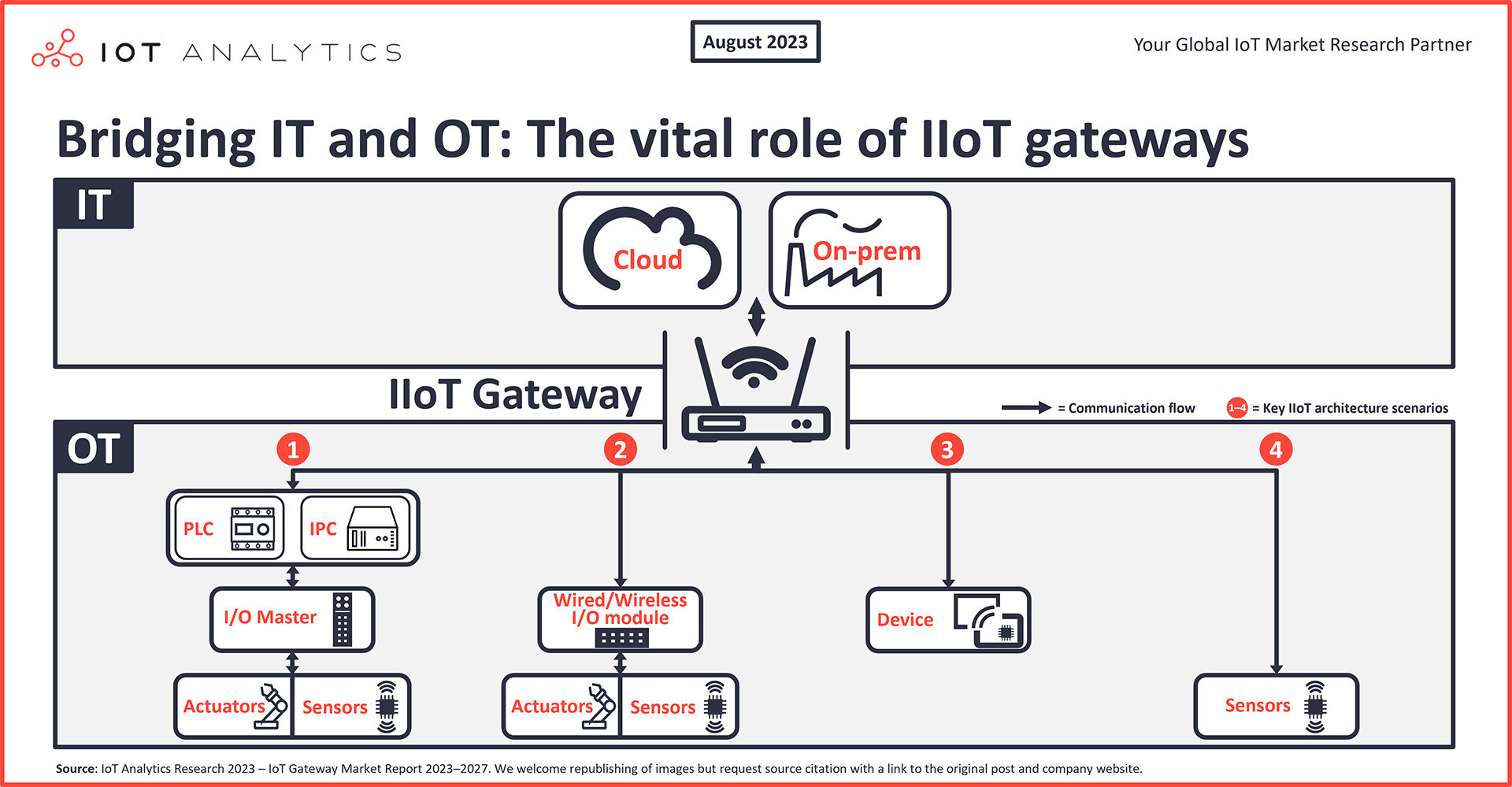
Successful projects follow a repeatable sequence that keeps production running:
This framework minimizes surprise costs. Plants that pilot first commonly report 25–40% lower total project spend than those attempting full-scale deployment immediately.
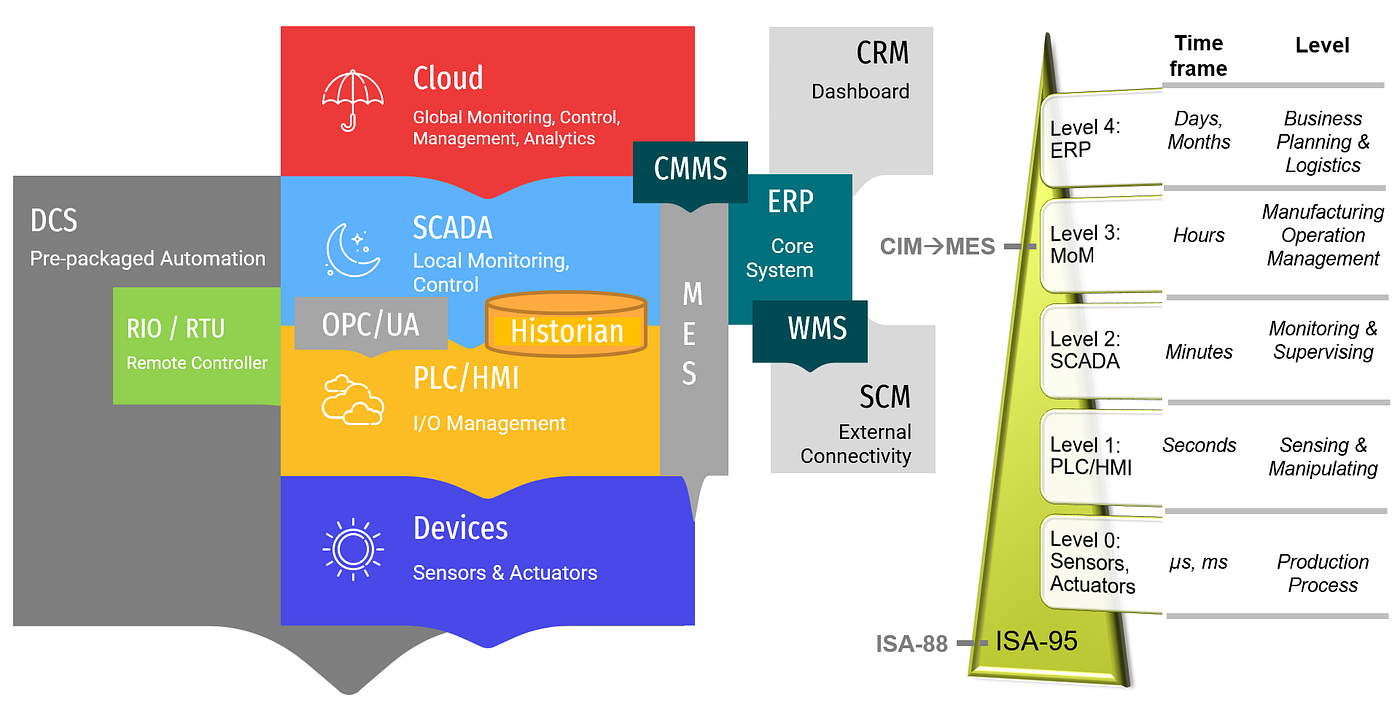
Even well-planned migrations encounter these issues:
Addressing these proactively turns potential setbacks into manageable adjustments.
Track these indicators to prove value and justify further investment:
Real-world examples show OEE rising from 70% to 83% after targeted IIoT deployments, with corresponding reductions in overtime and cycle times. Even partial implementations—monitoring legacy equipment without full replacement—often deliver positive ROI within 12–18 months through avoided downtime alone.
Migrating legacy automation to IIoT is no longer optional for facilities that want to remain competitive, but it does not have to be disruptive. With thorough assessment, a phased approach, standards-based technology, and attention to people and process, plants achieve higher reliability, better decision-making, and measurable financial returns while protecting production.
At Industrial Automation Co., we have supported numerous manufacturers through these transitions—helping them balance immediate operational needs with long-term strategic goals. The key is approaching the project as a business decision informed by engineering realities, not a technology experiment.
If your team is evaluating options for legacy systems, start with an honest assessment of your current state and a clear definition of the outcomes that matter most. The right plan turns potential risk into sustainable advantage.
 2 Year Warranty on ALL products