Successfully Added
The product is added to your quote.


The product is added to your quote.

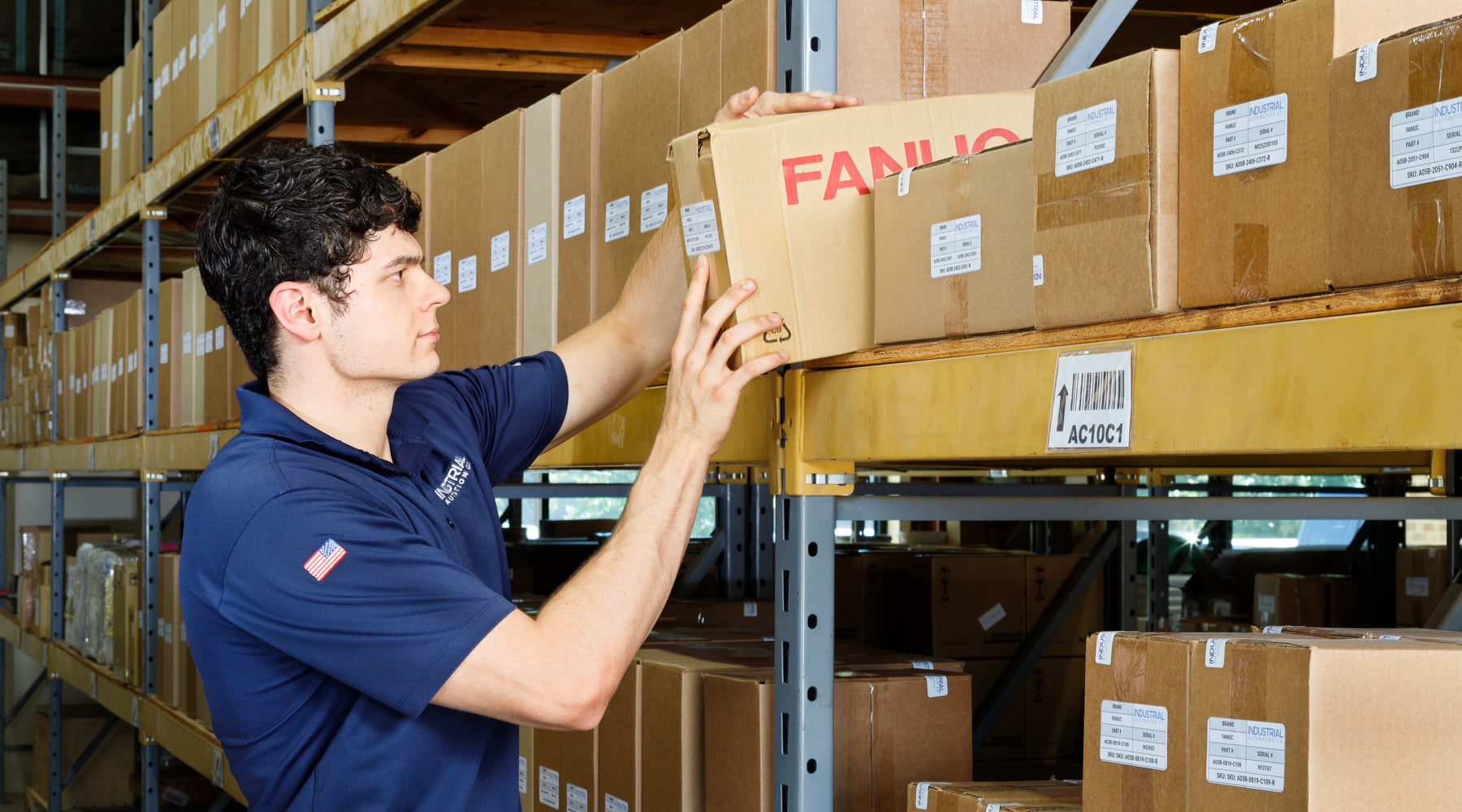
When a critical automation component goes down, every minute counts. Conservative estimates for smaller plants run $6k–$30k per hour, while recent surveys place typical averages around $125k–$260k per hour, and in automotive, it can exceed $2.3M per hour. Recovery isn’t luck; it’s preparation.
That’s where a 48-Hour Recovery Kit pays for itself. By pre-selecting fast-swap parts and keeping them organized, you turn a potential multi-day outage into a short disruption instead of a business crisis.
Most plants can absorb brief interruptions. After two days, the effects compound—missed shipments, penalties, overtime, and damaged customer trust. The goal of your kit is simple: restore production within 48 hours no matter what fails.
Examples: a main conveyor drive failure can halt packaging; a central PLC outage can stop an entire line.
Blend immediate replacements with repair coverage. A spare drive, CPU, or HMI restores uptime quickly while the failed unit is repaired in parallel. Favor interchangeable spares that support multiple machines whenever possible.
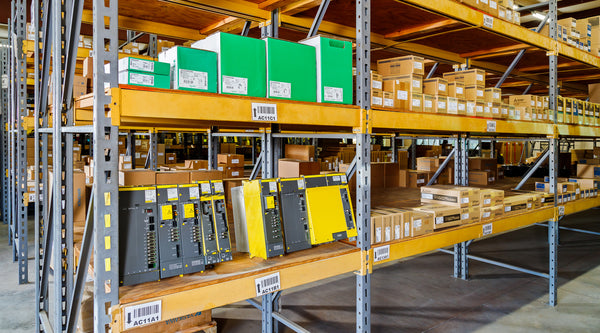
Tip: Choose SKUs that support multiple machines so one spare protects more than one line.
✔ Spare drives sized for your bottleneck equipment
✔ Backup PLC CPU with matching communications module
✔ At least one analog input and output module
✔ Replacement HMI with correct size and protocol
✔ 24 VDC power supply and key control cabling
✔ Parameter backups and firmware images
✔ Simple tracking log
Stocking smart doesn’t mean overspending. Use new or refurbished stock for immediate readiness, surplus for legacy coverage, and repair services to quickly return failed units to service.
Consolidating your sourcing simplifies purchasing — one vendor, one PO, one support thread. That’s precisely what we offer at Industrial Automation Co.
We’ll help you match the correct spares to your equipment and prepare them in advance.
Talk to an engineer to map your lines, preload configurations, and ensure fast shipment when it matters most.
Downtime resilience isn’t just analytics — it’s readiness. A well-designed 48-hour kit protects production, revenue, and customer trust. Build yours now so the subsequent failure is an inconvenience, not a crisis.
 2 Year Warranty on ALL products